The envenomation syndrome, the antivenom dose, and the 20 minute clotting test · v1.4
Select the dominant clinical syndrome, then the systemic findings and the 20WBCT result.
Set the patient category, adult, child or pregnant, which changes the supportive care and not the vial count.
You get the anti-snake venom dose, when to repeat it, and the supportive care that goes alongside it, following the Indian national protocol.
Read the repeat schedule as a schedule. One clotted 20WBCT on arrival does not close the case.
Bites by species outside the Big Four: the hump-nosed pit viper, the banded krait or the king cobra. Indian polyvalent anti-snake venom is raised against the Big Four alone, and care in these bites is supportive.
Pre-hospital care. The protocol starts at your bedside and says nothing about first aid or transport before the patient reached you.
A dose adjusted for body weight or age. The vial count answers to the venom load, so a child receives what an adult receives.
Identification of the snake itself. The protocol runs on the syndrome, and the form takes the syndrome rather than the species.
Clinical Syndrome on Presentation ?
20-Minute Whole Blood Clotting Test (20WBCT) ?
Severity & Complications ?
Overlap Pattern ?
Patient Category
Envenoming Syndrome
-
-
ASV Indication
-
-
ASV Administration Protocol
Monitoring & Adjunctive Care
ASV Reaction Preparedness
Evidence-Based Pearls
1. India's Snakebite Burden
The scale of it: The Million Death Study, which is the largest nationally representative estimate, puts it at about 45,900 snakebite deaths a year in India (99% CI 40,900 to 50,900). The figure of 58,000 still widely quoted is an earlier estimate. Either way India carries close to half the world's snakebite mortality. Of 310+ snake species here, 66 are venomous, and 4 of them account for 90% of envenoming: the Big Four.
WHO NTD Status: Snakebite envenoming was recognised as a Neglected Tropical Disease (NTD) by WHO in 2017.
Seasonality: Peak incidence during monsoon (June to September).
Krait Nocturnal Bites: ~65.7% of snakebite deaths are from Common Krait, which bites sleeping victims at night. The bite is often painless and may go unnoticed.
2. Venomous vs Non-Venomous Snakes: Key Differentiators
Teaching point: None of these features is reliable enough to decide treatment on, and the snake is rarely brought in anyway. Treat the syndrome in front of you, not the identification.
Feature
Typically Venomous
Typically Non-Venomous
Head shape
Triangular (Vipers); may be rounded (Elapids)
Usually rounded or oval
Pupil
Vertical slit (Vipers); round (Elapids)
Round
Fangs
Two prominent fangs
Rows of small, uniform teeth
Bite marks
1-2 puncture marks, spaced apart
Multiple small tooth marks (horseshoe pattern)
3. The "Big Four" Venomous Snakes of India
Key Fact: Indian polyvalent ASV is manufactured using venoms of these 4 species. It does NOT cover Hump-nosed Pit Viper (Hypnale hypnale), Banded Krait, or King Cobra.
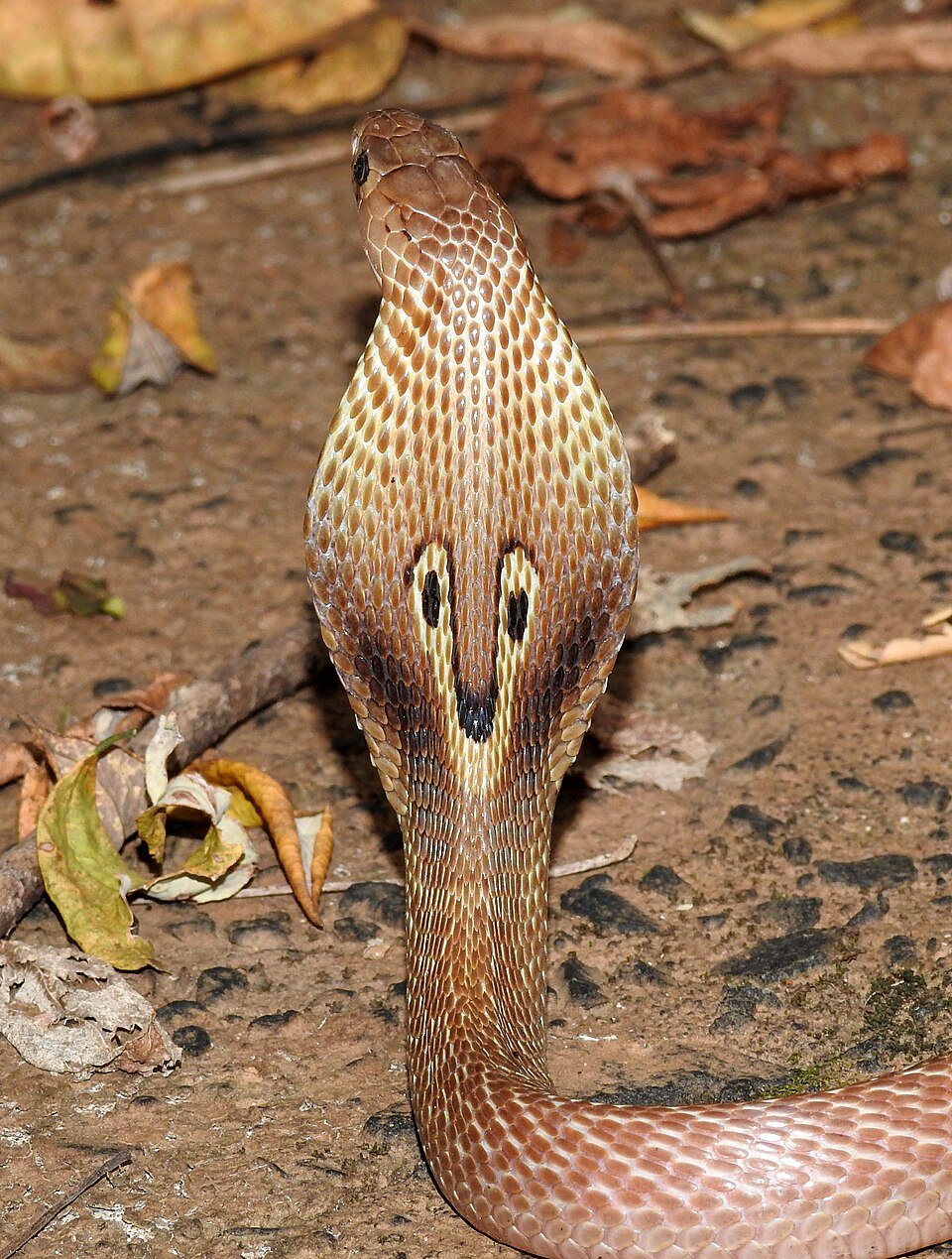
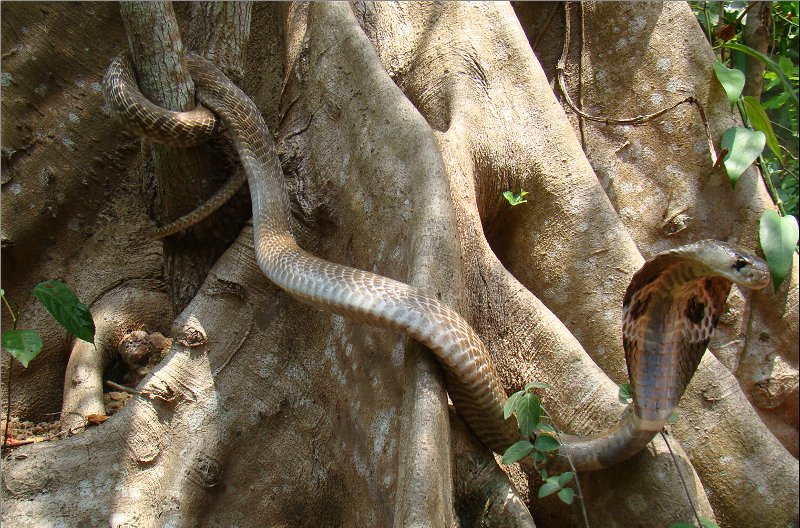
Indian Spectacled Cobra (Naja naja)
Hood raised: spectacle mark on the back of the hoodHead close-up: round pupil, no heat-sensing pit
Venom Type
Neurotoxic (post-synaptic) + cytotoxic
Clinical Signature
Rapid onset ptosis, descending paralysis, respiratory failure. Painful bite with severe local necrosis.
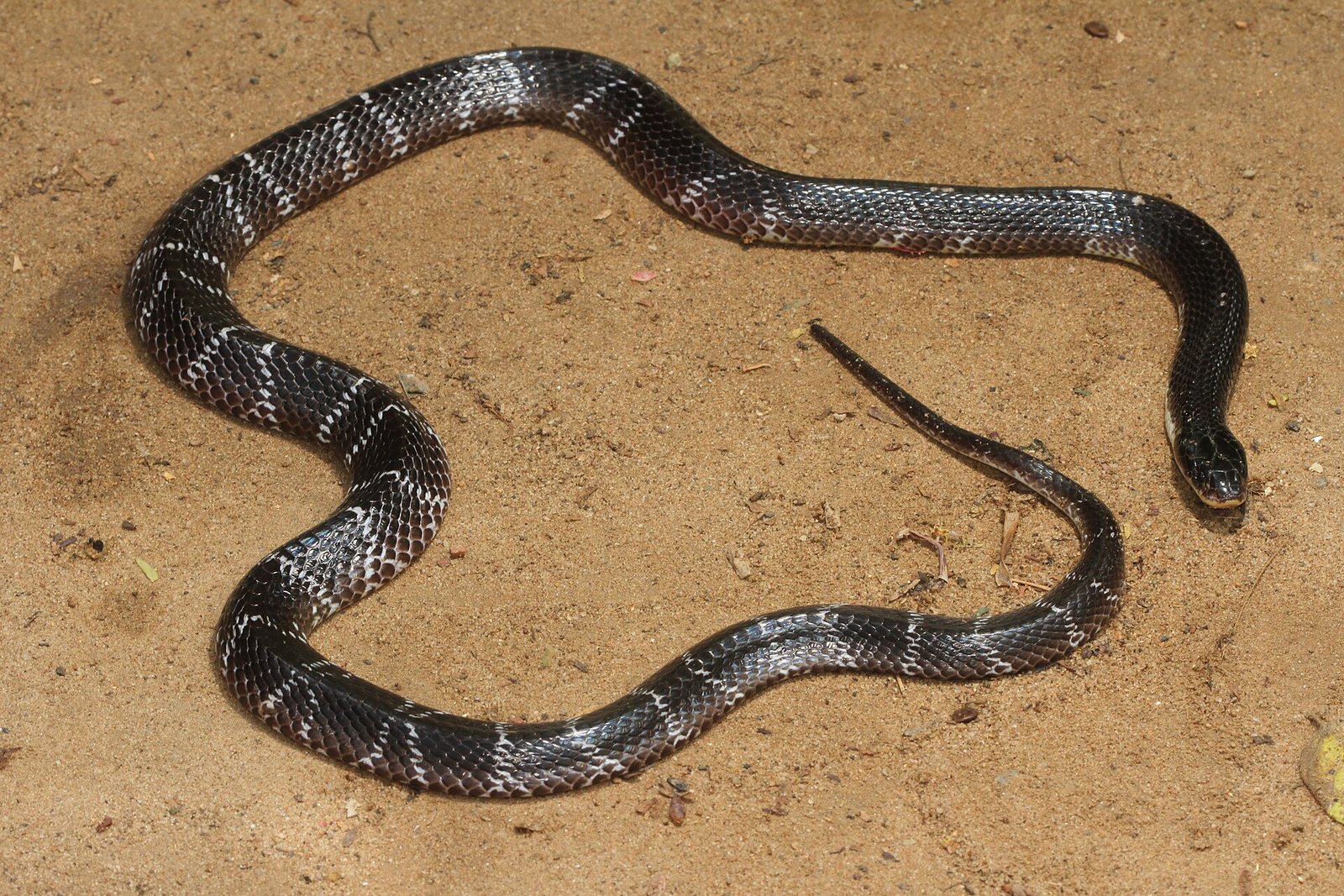
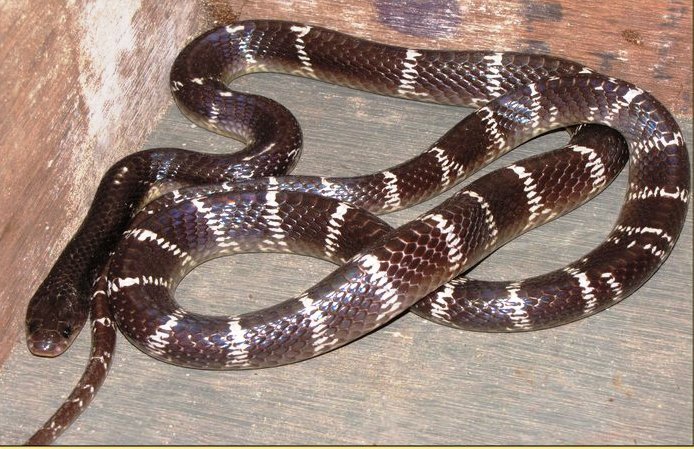
Common Krait (Bungarus caeruleus)
Body pattern: white crossbands on steel blue-blackHead close-up: small, barely wider than the neck
Venom Type
Neurotoxic (pre-synaptic; responds poorly to neostigmine)
Clinical Signature
Painless bite. Delayed onset paralysis, colicky abdominal pain. Mortality is high, because the respiratory failure comes on during sleep and is found late.
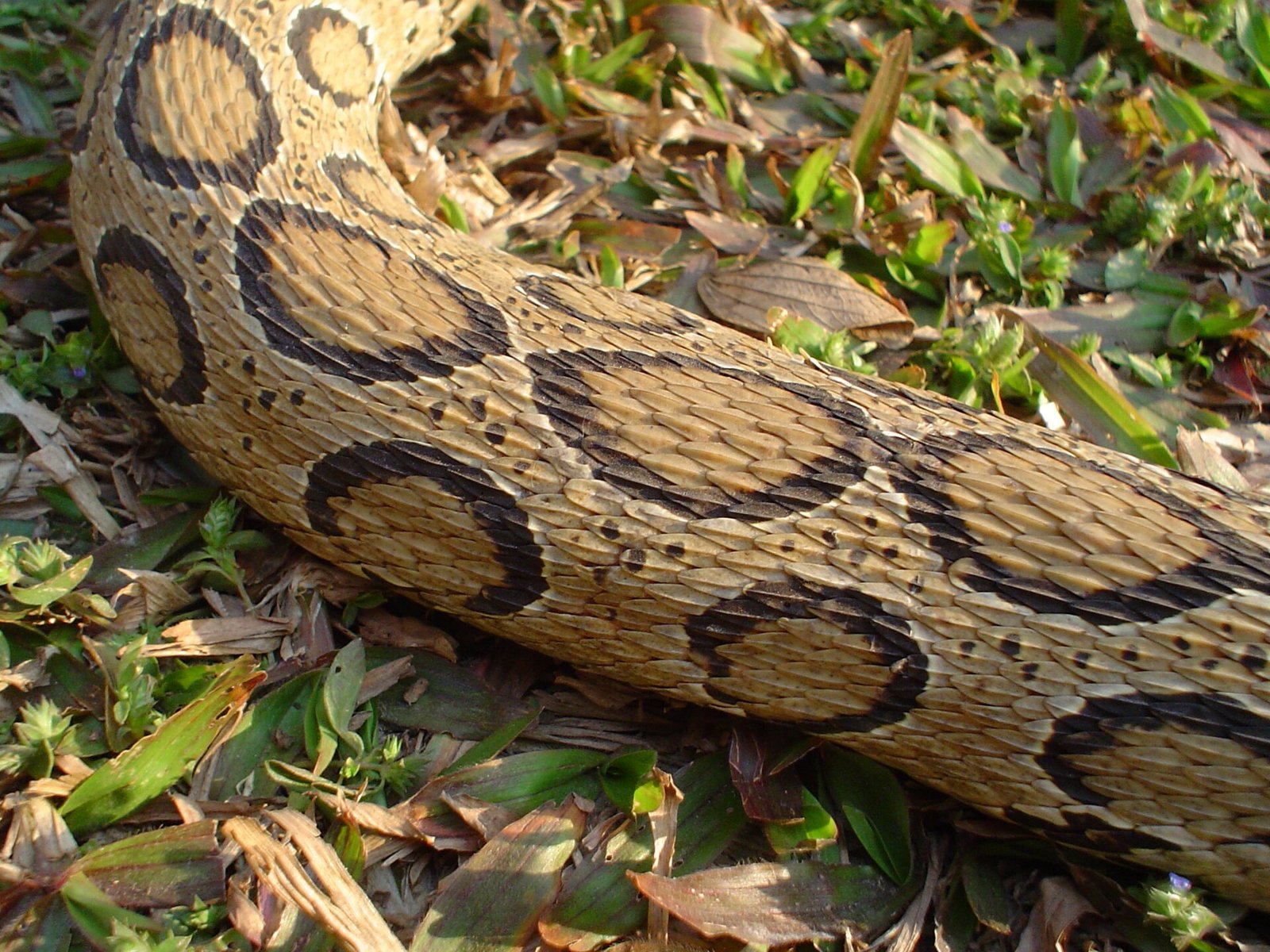
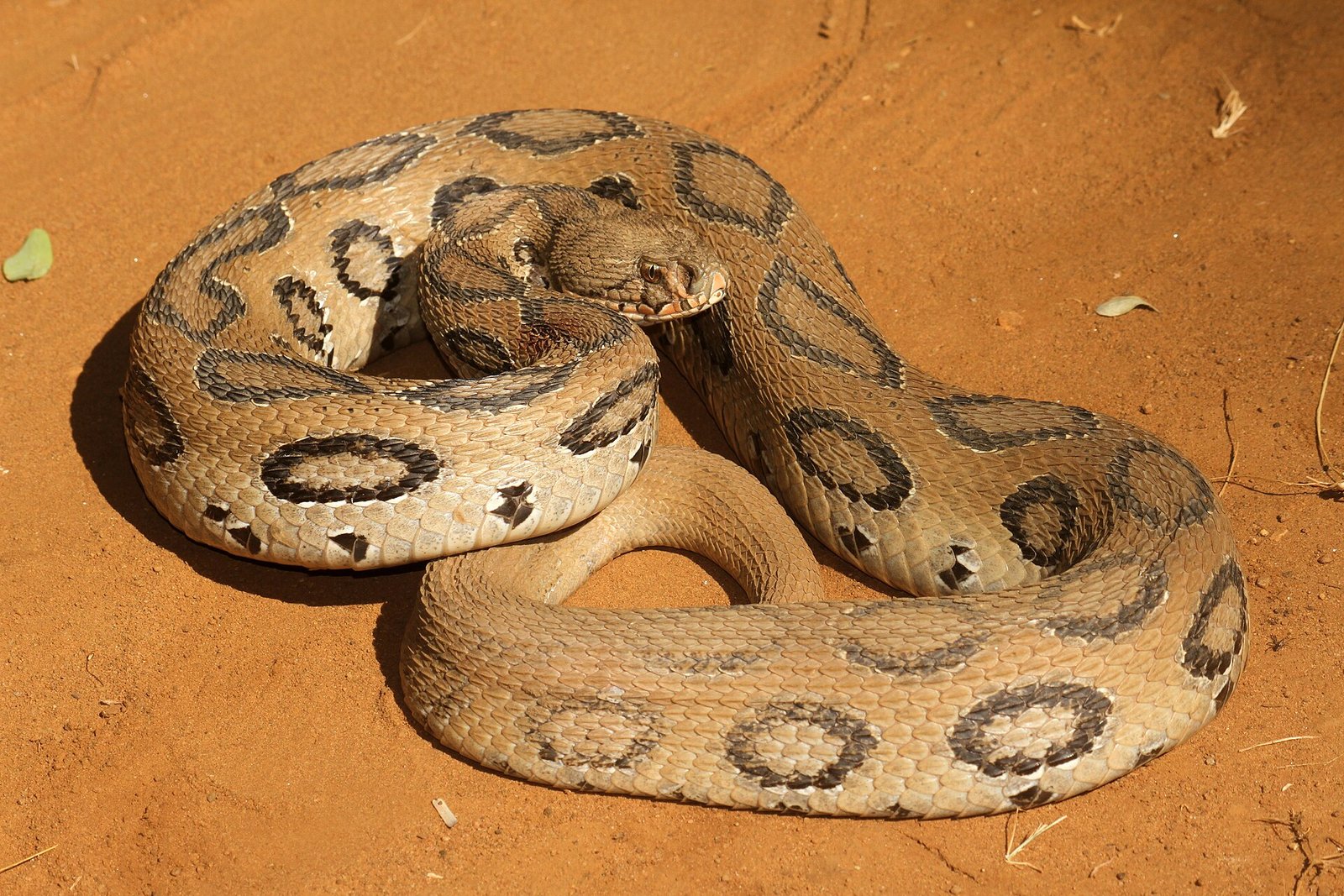
Russell's Viper (Daboia russelii)
Body pattern: three chains of oval, dark-bordered spotsHead close-up: broad and triangular, no heat-sensing pit
Venom Type
Haemotoxic + nephrotoxic (South Indian variants add neurotoxicity)
Clinical Signature
Extremely painful bite. Non-clotting 20WBCT, systemic bleeding, DIC, AKI, and profound local swelling.
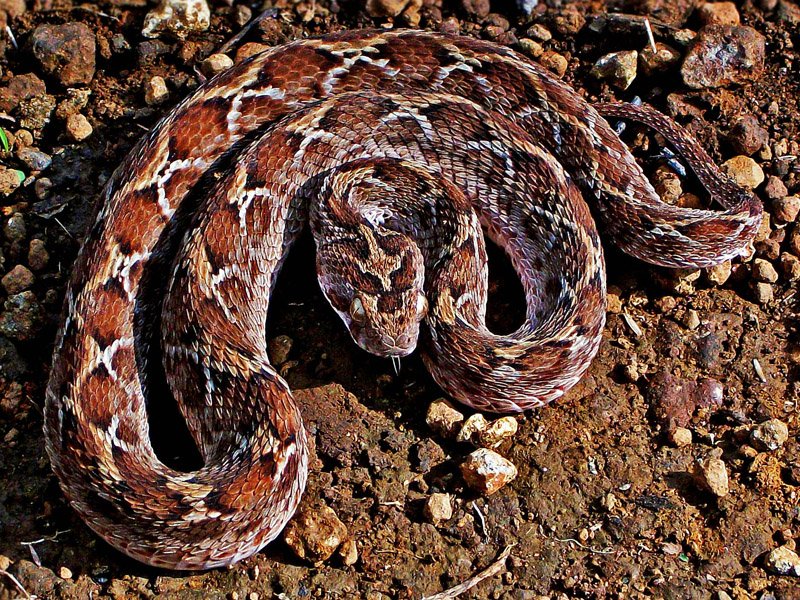
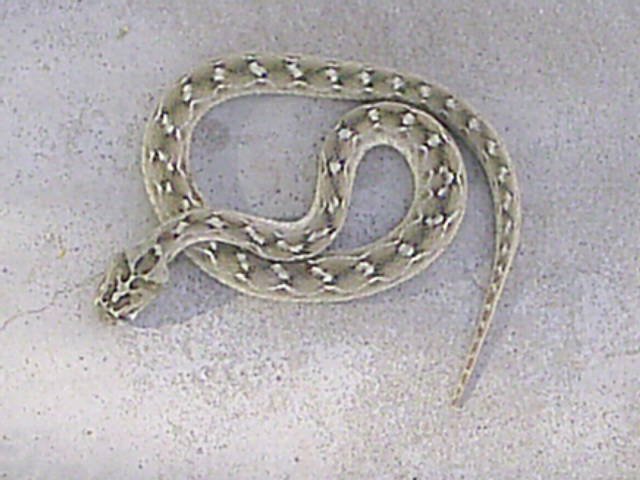
Saw-Scaled Viper (Echis carinatus)
Body pattern: pale zigzag band, rarely over 60 cmSerrated side scales: rubbed together to make the warning sound
Venom Type
Haemotoxic (potent pro-coagulant)
Clinical Signature
Severe coagulopathy, spontaneous bleeding. The snake makes a distinctive "sizzling" warning sound.
4. 20-Minute Whole Blood Clotting Test (20WBCT)
The bedside test that decides ASV: A pooled meta-analysis puts the 20WBCT at 91% specific and 84% sensitive for coagulopathy (defined as INR above 1.4), and it needs nothing from the laboratory. A clean dry glass tube and 20 minutes.
What the sensitivity means at the bedside: One clotted result on arrival does not rule out coagulopathy that has not yet declared itself.
Step 1: Collect 2 ml of freshly sampled venous blood.
Step 2: Place in a NEW, CLEAN, DRY glass tube. Do NOT use plastic tubes or injection vials.
Step 3: Leave UNDISTURBED for exactly 20 minutes.
Step 4: After 20 minutes, gently tilt the tube once. Do NOT shake.
Result: Blood runs out = POSITIVE. Firm clot = NEGATIVE.
5. ASV Dosing: Indian National Protocol
Paediatric Principle: ASV dose neutralises venom load, NOT body weight. A child receives the SAME dose as an adult.
Syndrome
Initial (Loading) Dose
Maximum
Haemotoxic
10 vials in 200 ml NS IV over 1 hour
25-30 vials
Neurotoxic
10 vials in 200 ml NS IV over 1 hour
20 vials
6. ASV Adverse Reaction Management
Reaction Type
Timing
Management
Early anaphylactic
10 min to 3 hr after starting
Inj. Adrenaline 0.5 mg IM (0.01 mg/kg in a child). Stop ASV temporarily. Oxygen. IV Hydrocortisone 200 mg. IV Chlorpheniramine 10 mg. Restart ASV slowly once stable.
Pyrogenic
1 to 2 hr after starting
Rigors, fever and hypotension from pyrogen contamination during manufacture, not from the venom or the antivenom protein itself. Treat exactly as for an anaphylactic reaction: adrenaline, oxygen, hydrocortisone, chlorpheniramine.
Late (serum sickness)
1 to 12 days after starting (mean 7)
Fever, itching, recurrent urticaria, joint and muscle pain, lymphadenopathy, and rarely immune complex nephritis or encephalopathy. Chlorpheniramine 2 mg IV every 6 hours for 5 days. If it has not settled in 24 to 48 hours, add prednisolone 5 mg every 6 hours for 5 days.
Premedication: Low-dose SC Adrenaline (0.25 mg) given 5 minutes before ASV reduces early adverse reactions.
7. Regional Considerations: Coastal Karnataka and South India
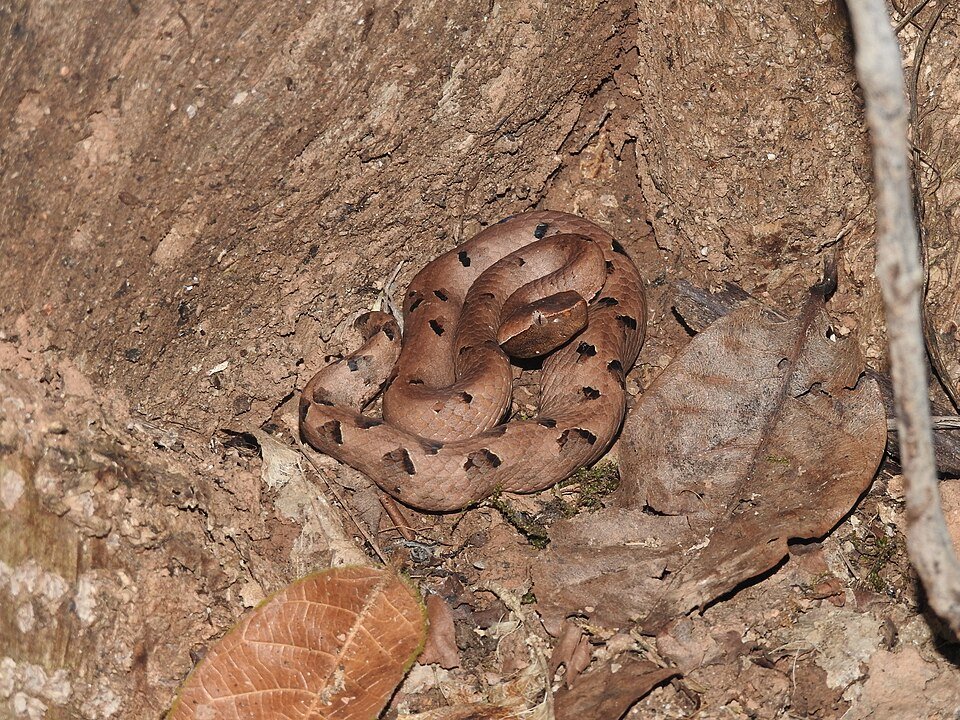
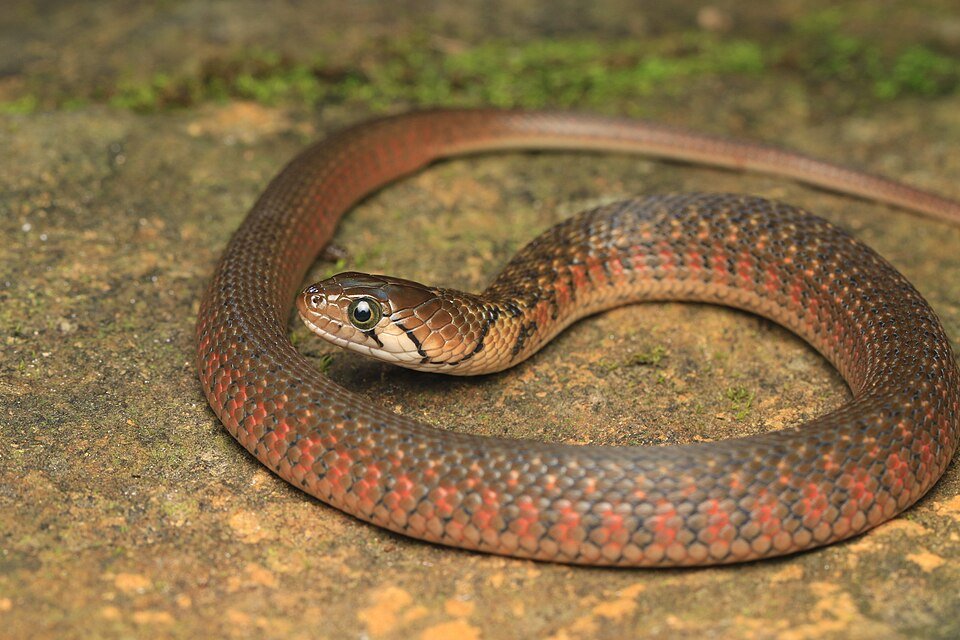
Hump-nosed Pit Viper: the upturned snout is the markerOlive Keelback: non-venomous, common near water, often mistaken for one
Hump-nosed Pit Viper (Hypnale hypnale): Common in coastal Karnataka. Causes AKI and coagulopathy. Indian polyvalent ASV does NOT neutralise its venom. Management is strictly supportive.
South Indian Russell's Viper: Unique variant that causes both profound coagulopathy AND neuromuscular paralysis (ptosis). Tick the overlap checkbox on the Clinical Assessment tab if both are present.
Olive Keelback: Non-venomous, and very common near water bodies around Udupi. It is often mistaken for a venomous snake, which is a common reason for a frightened patient arriving with no envenoming at all.
8. What This Tool Does Not Print
A threshold for any laboratory value. The form takes the syndrome, the 20WBCT and the severity boxes, and no platelet count, INR or fibrinogen.
A compartment pressure. The result requires a confirmed pressure before fasciotomy and gives no number for it.
A manufacturer. The vial count is the same whichever Indian polyvalent product is on the shelf.
AbbreviationsAKI (Acute Kidney Injury) · ASV (Anti-Snake Venom) · DIC (Disseminated Intravascular Coagulation) · FFP (Fresh Frozen Plasma) · GI (Gastrointestinal) · IM (Intramuscular) · I/O (Intake/Output) · IV (Intravenous) · NAPSE (National Action Plan for Snakebite Envenoming) · NS (Normal Saline) · NTD (Neglected Tropical Disease) · SC (Subcutaneous) · SpO₂ (Peripheral Capillary Oxygen Saturation) · VICC (Venom-Induced Consumption Coagulopathy) · WHO (World Health Organization) · 20WBCT (20-Minute Whole Blood Clotting Test)
References
Ministry of Health and Family Welfare, Government of India. Standard Treatment Guidelines: Management of Snake Bite. NHM; 12 August 2017.
World Health Organization, Regional Office for South-East Asia. Guidelines for the Management of Snakebites. 2nd ed. WHO SEARO; 2016.
National Centre for Disease Control (NCDC). National Action Plan for Prevention and Control of Snakebite Envenoming (NAPSE). Ministry of Health and Family Welfare, Government of India; launched March 2024. [Snakebite envenomation was made a notifiable disease by MoHFW on 27 November 2024.]
Indian Academy of Pediatrics (IAP). National Treatment Guidelines: Snake Envenomation. NTG-005. IAP; 2023.
Lamb T, Abouyannis M, de Oliveira SS, et al. The 20-minute whole blood clotting test (20WBCT) for snakebite coagulopathy: a systematic review and meta-analysis of diagnostic test accuracy. PLoS Negl Trop Dis. 2021;15(8):e0009657. PMID 34375338.
Warrell DA. Snake bite. Lancet. 2010;375(9708):77-88. PMID 20109866.
Mohapatra B, Warrell DA, Suraweera W, et al. Snakebite mortality in India: a nationally representative mortality survey. PLoS Negl Trop Dis. 2011;5(4):e1018. PMID 21532748.
Suraweera W, Warrell D, Whitaker R, et al. Trends in snakebite deaths in India from 2000 to 2019 in a nationally representative mortality study. Elife. 2020;9:e54076. PMID 32633232.
Alirol E, Sharma SK, Bawaskar HS, Kuch U, Chappuis F. Snake bite in South Asia: a review. PLoS Negl Trop Dis. 2010;4(1):e603. PMID 20126271.
Bawaskar HS, Bawaskar PH. Envenoming by the common krait (Bungarus caeruleus) and Asian cobra (Naja naja): clinical manifestations and their management in a rural setting. Wilderness Environ Med. 2004;15(4):257-266. PMID 15636376.
AMA Style:Umakanth S. Snakebite and ASV Management Protocol. Version 1.4. MEDiscuss Clinical Decision Support System. Published 2026. Accessed . https://mediscuss.org/cdss/snakebite-asv. doi:10.5281/zenodo.22401643
Vancouver Style:Umakanth S. Snakebite and ASV Management Protocol [Internet]. Version 1.4. MEDiscuss.org; 2026 [cited ]. Available from: https://mediscuss.org/cdss/snakebite-asv. doi:10.5281/zenodo.22401643
Save this calculation
Whatever you type here stays on this device and is not sent anywhere. The server
receives only a scrambled code made from it, so nobody with access to the server can
tell which patient a saved calculation belongs to. Enter the same nickname the next
time to see that patient's earlier values.
What is stored