
Secrets of Farts: A Guide to the Science of Flatulence

A Scientific Exploration of Farting
Farts, also known as flatulence, is a natural and common bodily function. This article aims to demystify the science behind farting, shedding light on why it happens and the factors that influence its smell.
What is Farting?
Farting is the release of gases from the digestive system through the rectum. These gases are byproducts of digestion and bacterial activity in the gut. Every person farts, and it is a normal part of the digestive process. Moreover, all mammals fart as part of their digestive process.
Composition of Farts
The gases produced during digestion primarily include nitrogen, carbon dioxide, hydrogen, methane, and sometimes sulfur. The composition can vary depending on several factors, including diet and gut bacteria.
Some of the gas that leads to farts is swallowed while eating or drinking, especially via carbonated beverages.
Non-Smelly vs. Smelly Farts
Non-smelly farts are mainly composed of nitrogen, carbon dioxide, hydrogen, and methane. These gases are odourless. Smelly farts, on the other hand, contain sulfur compounds, which give them their distinctive odour. The amount of sulfur in your diet, from foods like eggs, meat, and certain vegetables, plays a significant role in how smelly farts are.
The Role of Gut Bacteria
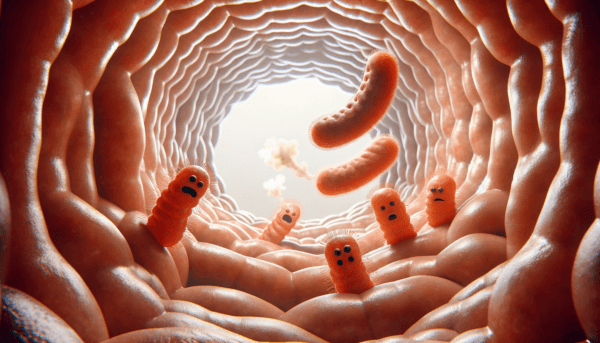
Gut bacteria play a crucial role in digestion, and they also contribute to the production of gas. Different bacteria in the gut can produce different gases, influencing the quantity and smell of a fart.
Health Implications
Occasional farting is normal and not a cause for concern. However, excessive flatulence can sometimes indicate dietary issues or digestive problems. For instance, intolerances to lactose or gluten can lead to increased farting.
How Much and How Loud?
On an average day, a human typically produces about ½ to 1½ litres of gas a day and ‘passes gas’ between 10 to 20 times. This quantity and number can vary based on dietary habits and individual digestive health.
The sound of a fart is produced by vibrations of the rectum. The loudness is determined by several factors, including the tightness of the sphincter muscles and the amount of gas.
Managing Farts
While you can’t stop farting entirely, you can manage it. Diet modifications, like reducing the intake of sulfur-rich foods and carbonated drinks, can help. Probiotics might also aid in balancing gut bacteria.
Consistently holding in farts can lead to bloating and discomfort, although it generally doesn’t pose serious health risks.
Social and Cultural Perspectives
In many cultures, farting in public is seen as embarrassing or rude. However, it’s important to remember that it is a natural bodily function.
Conclusion
Flatulence, or farting, whether smelly or non-smelly, is a normal part of our digestive process. Understanding the science behind it helps demystify this common bodily function. Remember, while it may be a source of humour, taboo, or embarrassment, it’s a natural and healthy part of our biology.
If you liked this, you may want about borborygmi, or tummy sounds too.
Do you have anything to share about this topic?

Dr. Shashikiran Umakanth (MBBS, MD, FRCP Edin.) is the Professor & Head of Internal Medicine at Dr. TMA Pai Hospital, Udupi, under the Manipal Academy of Higher Education (MAHE). While he has contributed to nearly 100 scientific publications in the academic world, he writes on MEDiscuss out of a passion to simplify complex medical science for public awareness.