
A Physician’s Guide to the High Mountains
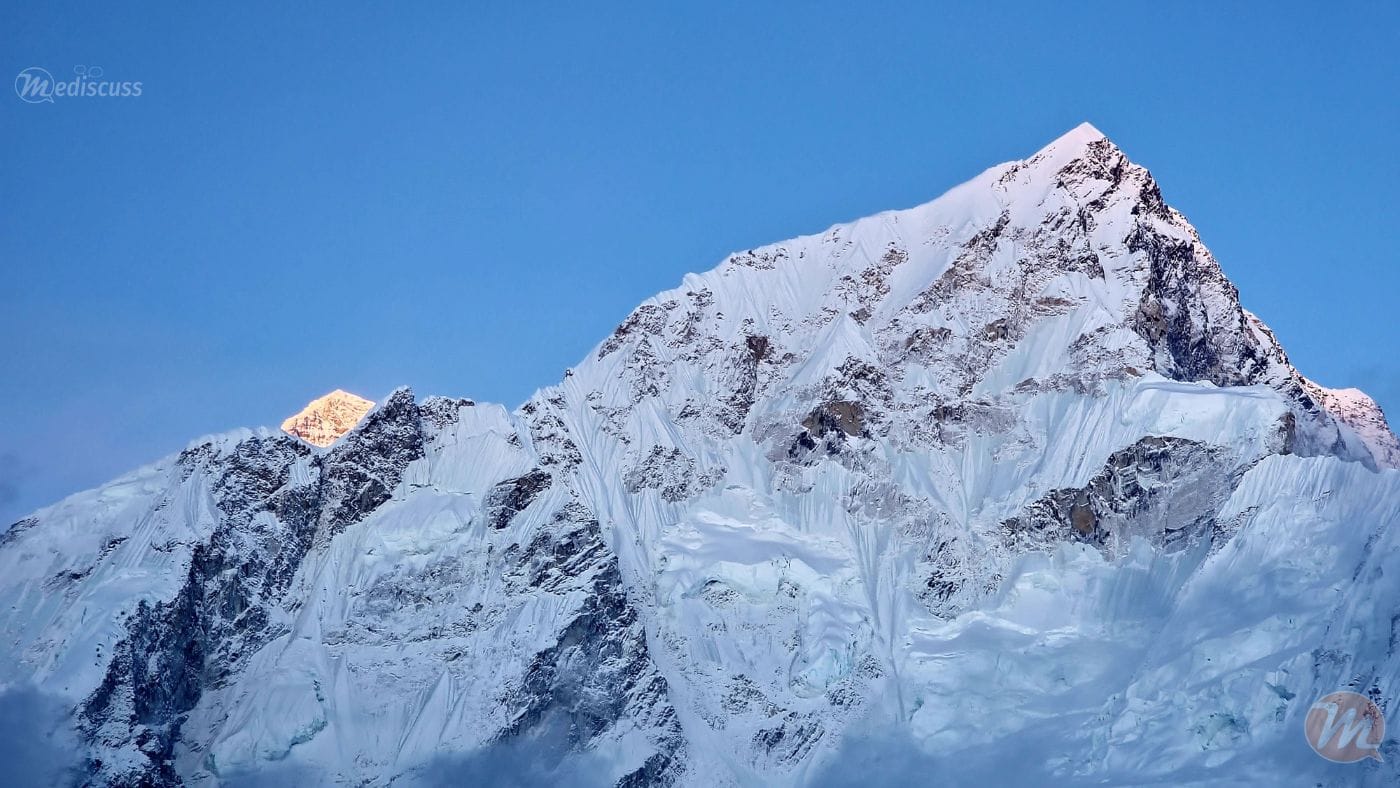
From the warm and humid coasts of Udupi to the icy winds of Everest Base Camp, I have felt the dramatic shift in how our bodies handle the world. I have walked the trails to Kedarnath. I have stood at Gangotri and trekked to Gomukh. I have marveled at the beauty of Kullu Manali and the pristine peak of Jungfrau in Interlaken, Switzerland. And most recently, I have walked the Parikrama around Mount Kailash, at the far edge of the Tibetan plateau.
The mountains call us. They offer silence and majesty. But as a physician, I must tell you that they also offer a significant physiological challenge. Anyone who travels to high altitude, whether a recreational hiker or a pilgrim, is at risk of developing high-altitude sickness. The air gets thin. The pressure drops. Your body struggles to grab the oxygen it needs. This is not just about fitness. It is about biology.
Whether you are a pilgrim, a trekker, or a skier, you must respect the altitude. Let us discuss how to stay safe.
The Thin Air
When we go high, specifically above 8,200 ft (2,500 m), the barometric pressure drops. There is less oxygen available for every breath you take. Though the percentage of oxygen in the air is the same (21%), its partial pressure drops as we go higher up.
This is worth pausing on, because it is the single most common misunderstanding about altitude. The air at the top of Dolma La is the same 21 percent oxygen you are breathing right now. Nothing has been removed. What has fallen is the pressure that presses that oxygen into your lungs. The oxygen is all there. Your body simply cannot get enough grip on it.
Your body reacts immediately. The initiating event is cerebral vasodilation in response to hypoxemia. This means your brain vessels become wider to try and get more blood and oxygen. This causes an increase in brain volume and pressure inside your skull.
An Insight: “The mountain demands humility. It forces us to realize that our strength is borrowed from the very air we breathe.”
For some, this swelling is minor. For others, it causes problems. There is a concept called the “tight fit” hypothesis. If your brain fits tightly inside your skull, you have less room for the swollen brain, making you more symptomatic. Generally, as we age, our brain shrinks slightly and has more room to accommodate the swelling.
Recommended Read: The Sixth Walker: A Pilgrimage to Everest Base Camp
Acute Mountain Sickness (AMS): The Common Enemy
Acute Mountain Sickness (AMS) is the most common high-altitude illness. Think of it as a severe alcohol hangover, but without the fun of the party the night before.
What to look for
It usually starts 6 to 12 hours after you arrive at a new altitude. It can happen as low as 6,600 ft (2,000 m), but it is very common (in 25 percent of people) at sleeping elevations between 6,600 and 9,800 ft (2,000 to 3,000 m).
- Headache: This is the primary symptom.
- Nausea or Vomiting: You lose your appetite.
- Fatigue: You feel incredibly tired.
- Dizziness: A sense of lightheadedness.
- Sleep Issues: You wake up frequently.
Who gets it? Everyone is at risk. Neither youth nor physical fitness gives you protection against AMS. In fact, younger males might sometimes be at risk because they continue to climb in spite of having symptoms.
Clinical Pearl: Your oxygen saturation (SpO2) measured by a finger probe is not a perfect test. You can have normal oxygen levels and still have AMS. And everybody’s saturation falls at altitude, so a low number alone does not mean you are ill. At Everest Base Camp my own reading was 74 percent, a figure that would earn a patient a hospital bed in Udupi, yet I was breathless only on exertion and otherwise well. Trust the symptoms more than the machine. A person who cannot walk a straight line with a “reassuring” reading is in far more danger than a comfortable person with a low one.
When It Gets Dangerous: High-Altitude Cerebral Edema (HACE)
If you ignore AMS and keep climbing, you risk High-Altitude Cerebral Edema (HACE). This is a life-threatening emergency.
HACE is essentially “brain swelling” that has gone too far. It typically troubles you above 9,800 ft (3,000 m). The fluid leaks into the brain tissue.
The Red Flag Signs of HACE
- Ataxia: Imbalance. This is the hallmark sign. The person walks like they are drunk. They cannot walk a straight line.
- Confusion: They become irritable, drowsy, or stop making sense.
- Coma: If untreated, they will lose consciousness.
Important Warning: A person with HACE might just want to be left alone in their tent. They might say they are just tired. Do not leave them alone. This “lassitude” is a symptom of the brain failing.
Of all the signs in this article, ataxia is the one to teach your whole group before you leave. Everyone can perform it on everyone else: walk a straight line, heel to toe. It needs no machine, works in any weather, and being the person who knows to ask for it is worth more than anything in your medical kit.
High-Altitude Pulmonary Edema (HAPE): The Other Emergency
While HACE floods the brain, HAPE floods the lungs, and it can kill even faster. It is fluid collecting in the lung tissue, and its signature is breathlessness that does not settle even when you have stopped and rested.
The Red Flag Signs of HAPE
- Breathlessness at rest: The key sign. Everyone is breathless while climbing. The HAPE patient stays breathless after sitting down.
- A persistent cough, sometimes with frothy or pink sputum in later stages.
- Extreme weakness and a chest that feels tight or congested.
- A rapid heartbeat and rapid breathing that will not come down.
The treatment is the same as for any altitude emergency, and it begins with the same word: descend.
Prevention
I have seen many travelers spoil their trip by rushing. In places like the majestic Ladakh or on the way to Kedarnath, people fly or drive up too fast. The single best prevention is gradual ascent. Walking up gives us the natural slow ascent that helps avoid AMS.
The Golden Rules of Ascent
- Go Slow: Above 9,800 ft (3,000 m), try not to increase your sleeping elevation by more than about 1,600 ft (500 m) in 24 hours.
- Climb High, Sleep Low: Walk up high during the day, but come back down to sleep. It is the sleeping altitude that makes you ill, not the height you touched and left.
- Acclimatize: Take a rest day every third or fourth day, or every 3,300 ft (1,000 m). On the Everest trail, the nights at Namche and Dingboche are non-negotiable, however strong you feel.
- Medication Prophylaxis: If you must ascend quickly, or if you have a history of sickness, medicine helps.
| Method | Recommendation | Notes |
|---|---|---|
| Acetazolamide | Preferred. 125 mg every 12 hours. | Start the day before ascent. It accelerates acclimatization. |
| Dexamethasone | Alternative. 2 to 4 mg every 6 to 12 hours. | Use if allergic to acetazolamide. It stops symptoms but does not help with acclimatization itself. |
| Gradual Ascent | Essential. | The most effective natural method. |
Acetazolamide (Diamox): The Section Everyone Asks About
This medicine is my preferred tool for prevention, and I have taken it on most of my high-altitude treks. It is also the most misunderstood drug in a trekker’s bag, so let me take it properly.
How it works
Acetazolamide creates a bicarbonate diuresis with a mild metabolic acidosis. In plain terms: it makes your kidneys pass out bicarbonate, which makes your blood slightly acidic.
Why would anyone want that? Because of a small trap in our own physiology. At altitude, the body correctly starts breathing faster. But faster breathing blows off carbon dioxide and makes the blood alkaline, and the brainstem reads that alkalinity as a signal to slow the breathing back down. The body’s own reflex works against its own solution.
The mild acidosis from acetazolamide breaks that deadlock. It tells the brainstem to keep breathing deeply, and the brake comes off. This is the crucial point: acetazolamide does not mask anything. It speeds up the genuine work of acclimatization. You are not being tricked into feeling well, you are actually acclimatizing faster. Dexamethasone, by contrast, can make you feel fine while your body remains completely unadapted underneath.
It also smooths out the stop-start “periodic breathing” that ruins sleep at altitude, which alone makes it worth taking for many people.
The dose, and why less is better
For prevention in adults, 125 mg twice a day. That is half of the usual 250 mg tablet.
More is not better. Many trekkers take a full 250 mg twice daily, feel their fingers buzzing and their bladder filling every hour, and decide the drug is intolerable. They were simply taking double what they needed. At the correct low dose, most people tolerate it very well.
When to start, and when to stop
Start it one day before you begin your ascent, and continue. If you forgot, start anyway, because it still works when begun on the day of ascent. Late is far better than never.
Continue for two to four days after you reach your highest sleeping altitude, by which time your own body has caught up. Then simply stop. There is no taper and no rebound.
Test it at home first: my strongest single piece of advice
Take a half tablet, 125 mg, at home, at least a week before you travel. Two weeks is better still.
Do it on an ordinary day, in your own house, with your own doctor within reach.
The reason is simple. You will learn what this drug does to you while you are somewhere a reaction can be handled calmly. The alternative is discovering it for the first time on a plateau where the nearest hospital is a day or more of hard road away, and where any new symptom will be blamed on the altitude by everyone around you, yourself included. A rash at home is an inconvenience. The same rash at Manasarovar is a crisis with no good options. This home trial is standard, sensible travel medicine, and I have never once regretted recommending it.
What it will do, and what is harmless
Expect these. None of them is an allergy, and none is a reason to stop:
- Tingling in the fingers, toes and lips. Almost everyone gets it. It is harmless, and in a way reassuring, since it tells you the drug is active.
- Passing more urine. It is a mild diuretic. Plan for it and keep drinking to thirst.
- Fizzy drinks tasting flat and metallic. A famous, harmless quirk.
- Some mild nausea occasionally.
The sulfa allergy question
This is where many people are wrongly refused a useful drug.
Acetazolamide is a sulfonamide, but it is not an antibiotic sulfonamide, and the cross-reaction between the two groups is far weaker than the folklore claims. Most people who believe they “cannot take sulfa” can in fact take this safely.
The true contraindication is narrow: a previous anaphylactic reaction to a sulfonamide, or a history of Stevens-Johnson syndrome. If that is your history, this drug is not for you. But a simple rash or an upset stomach from a sulfa antibiotic years ago does not close the door. That distinction deserves a proper conversation with your doctor rather than a decision made from fear. Bring the actual story of what happened, not just the label “allergic to sulfa.” The details usually end with you being cleared, and the home test dose is your final confirmation.
If you truly cannot take it
Dexamethasone is the main alternative. It prevents and treats AMS and HACE well, but it does not help you acclimatize, it carries a rebound risk when stopped, and it should be a prescribed, supervised plan agreed with your physician before you leave. Think of it as a rescue drug for getting a sick person down, not a way to live comfortably at altitude.
Ibuprofen has modest evidence for reducing AMS and is a reasonable fallback, though it is not the equal of acetazolamide.
Treatment: What to Do If We Get Sick
If you or your trekking partner gets sick, you must act. Do not hope it will just “go away” if you keep climbing.
Treating Mild AMS
You can usually stay where you are and just take rest.
- Stop Ascending: This is non-negotiable.
- Rest: Limit physical activity.
- Symptom relief: Use paracetamol or ibuprofen for headache. Use ondansetron for nausea.
- Acetazolamide: You can take 125 to 250 mg twice daily to help treat the illness.
Treating Severe AMS or HACE or HAPE
If the person is confused, cannot walk straight (ataxia), is breathless at rest, or if the headache is severe with frequent vomiting, you are in danger.
- Descent: This is the definitive treatment. You must go down. Even descending 1,600 to 3,300 ft (500 to 1,000 m) can save a life. Go down before the person can no longer walk, and go down at night if you must.
- Oxygen: If available, give oxygen immediately to keep saturation above 90%.
- Dexamethasone: For HACE, this potent steroid is given 8 mg immediately (oral, IV, or IM), followed by 4 mg every six hours. It reduces brain swelling and can buy time to walk down.
- Nifedipine: For HAPE specifically, where descent or oxygen is delayed, nifedipine can help by lowering the pressure in the lung’s blood vessels. This is a prescribed measure to discuss with your doctor in advance.
- Hyperbaric Bag: In remote areas without oxygen (like high camps on Everest), professional mountaineers use a portable hyperbaric chamber (Gamow bag). It uses air pressure to simulate a lower altitude.
Advice for Your Next Trip
Whether you are seeking the divine at Kedarnath, the raw challenge of Everest Base Camp or the thrill of the slopes in Switzerland, carry this knowledge with you.
- Plan your itinerary with buffer days. Allow days for rest and unexpected delays.
- Hydrate sensibly, and do not overdo it. Here I have changed my own advice with the evidence. Dehydration is real up there, since the dry air pulls water out of you with every breath, and its symptoms mimic AMS. But forcing down three or four litres does not prevent altitude illness, and drinking to excess can dangerously dilute your blood sodium, producing the very headache and confusion you are trying to avoid. So drink to thirst, aim for pale urine, and stop treating litres as a target to beat.
- Avoid alcohol. It depresses your breathing during sleep.
- No sedatives for sleep. They blunt the breathing drive exactly when you need it. Poor sleep and periodic breathing are normal, and acetazolamide is the right tool for them.
- Eat carbohydrates, even when altitude has stolen your appetite.
- Watch your friends. If they act strange or stumble while walking, it is not fatigue. It is the altitude.
“There is no such thing as bad weather, only inappropriate clothing.” – Ranulph Fiennes
This is not just a motivational quote. In the high mountains, it is a medical fact. The Himalayan weather is very moody. It can swing from blinding sunshine to a freezing blizzard in under twenty minutes. In such conditions, your clothing is not just for style, it is your first line of defense against hypothermia.
As trekkers, you must master the ‘Layered Clothing System’. Think of it like an onion. You need a base layer to wick away sweat, a middle layer to trap body heat, and an outer shell to block the wind. If your clothing is appropriate, you can stand on a glacier at -15°C and feel comfortable and enjoy the surroundings. If it is inappropriate, even a mild wind can become a medical emergency.
Addendum: The Kailash Mansarovar Yatra
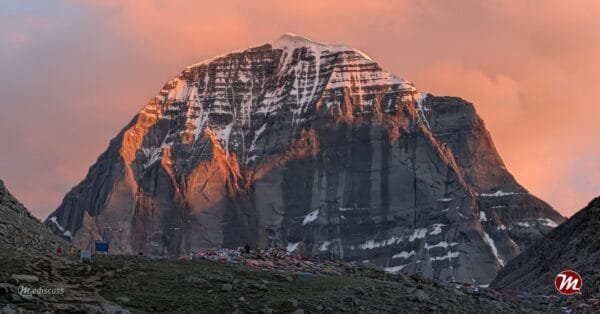
Everything above applies. But the Yatra is not an ordinary trek, and the differences are exactly the ones that put pilgrims in danger. Having just returned from it, I want to set them down plainly.
You do not walk up. You are driven up.
On the Everest trail you climb on foot for a week before you sleep really high, and the route itself forces acclimatization on you. The Kailash route does not. You travel largely by road, and the altitude arrives with almost no physical work to earn it. You can find yourself sleeping above 14,800 ft (4,510 m) beside Lake Manasarovar, and then at around 16,400 ft (5,000 m) at Dirapuk, within a few days of leaving the plains.
This is the single most important fact about the Yatra. The gradual ascent profile that protects you elsewhere is largely missing here. That places far more weight on everything else: the acclimatization nights your operator does or does not build in, your medication, and your own honesty about symptoms. When you choose an operator, look past the hotels and count the nights spent at intermediate altitude. That is the line in the brochure that can actually hurt you.
A note on our operator
We booked our Kailash Mansarovar Yatra through Shankar Treks, based in Bangalore. They ran the entire journey not just professionally, but with a calm, unhurried, spiritual outlook that shaped the whole experience.
A few things set them apart. They deal only with the Kailash Mansarovar Yatra, and nothing else, so the whole firm is built around this one journey rather than treating it as another item in a catalogue. They keep a dedicated team of Nepali Sherpas who are genuinely helpful and professional, and who look after pilgrims with real care on the hardest stretches. And they hold strong coordination with the Chinese guides on the far side of the border, which matters more than a first-timer realises: the Yatra requires three sets of hands to work in concert, Indian, Nepali and Chinese, and the seams between them are where journeys usually go wrong. Ours did not.
They keep no social media presence. Like most truly grounded operators, their reputation rests entirely on the word of mouth of those who have travelled with them. Mr Anand, who owns the firm, personally accompanies every group and takes full responsibility for it. I recommend them without hesitation for the Kailash Mansarovar Yatra.
PS: I have no commercial connection to Shankar Treks. This is one grateful pilgrim’s recommendation, nothing more.
The numbers you are facing
Lake Manasarovar sits near 14,800 ft (4,510 m). Dirapuk around 16,400 ft (5,000 m). The Dolma La Pass at 18,600 ft (5,670 m). Zuthulpuk around 15,600 ft (4,755 m). The second day of the Parikrama, from Dirapuk over the pass towards Zuthulpuk, is the crux of the whole journey. It is long, high, and once you have committed to the climb there is no easy way off it. Start early, and move slowly from the very first step rather than from when you begin to tire.
The standard schedule splits the Parikrama over three days: Yamadwar to Dirapuk (about 16 km), Dirapuk over Dolma La to Zuthulpuk (about 22 km), and Zuthulpuk to the Parikrama’s end (about 10 km), with short bus transfers at each end. Some groups, including mine, compress the second and third days into one, walking from Dirapuk over the pass and all the way out to the road in a single very long push. I would not press anyone to do this. The three-day rhythm is gentler on the body and leaves more room for the pass to be a pilgrimage rather than an endurance event.
There is no helicopter
On the Everest side, a bad day can end with an evacuation flight. On the Tibetan plateau there is no such safety net. Evacuation means a vehicle and then a very long drive, with the nearest proper hospital a day or more away.
This should lower your threshold to turn back, not raise your courage to push on. In a place with no rescue, the decision to stop must be made earlier than instinct suggests. A pilgrim who rests at Dirapuk is not a failure. A pilgrim carried off the pass is an emergency for everyone on the trail.
Ponies are not a defeat
Many pilgrims simply cannot take the physical toll of the Parikrama, and the ponies exist for exactly this reason. They cross that ground with a surefootedness no human matches. There is no spiritual arithmetic in which needless suffering earns extra merit. Taking a pony around the mountain is a legitimate and often wise choice.
On fasting, and I say this as someone who fasts
I keep several fasts a month, and I have written a book on the practice, so please take this in the spirit it is meant. The Parikrama is not the place for it. Altitude blunts the appetite precisely when the body most needs carbohydrate, and both hypoglycemia and dehydration counterfeit the symptoms of AMS. The second day will ask more of your metabolism than almost any ordinary day of your life. Keep the discipline in your heart, and feed the body. The mountain is not counting your meals.
The plateau’s own hazards
- Do not feed the marmots. I did, once, and I was wrong to. Himalayan marmots are a documented natural reservoir of Yersinia pestis, the plague bacterium, carried by fleas deep in their fur. Human cases on this plateau still begin exactly this way. Enjoy them, photograph them, and keep your biscuits to yourself.
- Cold and wind at the pass are serious. Hypothermia and frostbite are real risks at Dolma La, and a tired, hypoxic person judges their own temperature badly. Cover the extremities before you feel you need to.
- Water and food hygiene. Travellers’ diarrhoea is common, and the dehydration it causes will be mistaken for altitude illness.
- The sun. Thin air, snow glare and high UV make good sunglasses and sunblock medical equipment, not vanity.
Carry these
A pulse oximeter, a thermometer, your acetazolamide already tested at home, whatever your own doctor has prescribed for you in a clearly labelled bag with a written list, and enough warm layers for the pass rather than merely for the camp. And carry the phone number of a physician back home who knows your history.
One last thing
Every year, people die on this Yatra. Almost never from the mountain itself, and almost always from a decision. Someone hid a headache because the group was moving. Someone crossed the pass on a body that was already telling the truth. Someone had waited many years for the permit and could not bear to turn back at Dirapuk.
I understand that last one completely, which is why it is the hardest line in this article to write. The mountain does not need your body. It has stood there for thirty million years without asking anything of anyone. Whatever you came to receive from Kailash, you will receive it far better alive.
Final Thought: “We do not conquer the mountain. We only conquer ourselves, and we do so by listening to what nature conveys to us in the thin air.”
This article is for general education and is not a substitute for individual medical advice. Discuss your own plans, your own history and any medication with your own physician before you travel.
Recommended Read: Stones of Silence, Guardians of Snow.
Read the series: Around the Unmoving, a physician’s Kailash Mansarovar Yatra in three parts.

Dr. Shashikiran Umakanth (MBBS, MD, FRCP Edin.) is the Professor & Head of Internal Medicine at Dr. TMA Pai Hospital, Udupi, under the Manipal Academy of Higher Education (MAHE). While he has contributed to nearly 100 scientific publications in the academic world, he writes on MEDiscuss out of a passion to simplify complex medical science for public awareness.
 wpDiscuz