




This article first appeared in Kannada in ಕ್ಷ ಕಿರಣ, Dr Shashikiran Umakanth’s column in the Vishwavani daily. The Inside Story is its English edition. ಈ ಲೇಖನವನ್ನು ಕನ್ನಡದಲ್ಲಿ ಓದಿ
“Doctor, what has happened to my mother? You’ve pushed that big pipe in through her nose!”
Of all the questions families ask outside the ICU or the ward, this may be the commonest. The moment they see that long plastic tube in the nose, their hearts begin to pound. Is she going to make it? Will she have to eat through a pipe for the rest of her life? A hundred worries crowd in at once.
As a doctor, let me tell you what I tell them. The tube only looks frightening. Once you understand what it is and why it is there, it turns out to be very simple. And quite literally, it saves lives.
So let us find out the real story behind this “pipe in the nose”.
What Is This Tube?
Doctors call it a Ryle’s tube, or a nasogastric tube. Naso is the nose and gastric is the stomach, so the name tells you the route. It is a thin, soft plastic tube. It goes in through one nostril, down the back of the throat, along the food pipe, and ends inside the stomach.
We use it mostly when a patient cannot safely swallow food or water, so that the body does not go short of nourishment. It can also work the other way, and take things out of the stomach.
What Does It Do?
This tube is not only for feeding. Think of it as a two-way road. It does three jobs.
1. Feeding
When eating becomes hard, the tube carries liquid food, water and medicines straight into the stomach. We need it:
- when the patient is unconscious or drowsy, as after a stroke
- when swallowing has become difficult
- while the patient is recovering from a major operation
2. Emptying the Stomach
Sometimes the traffic runs in reverse. Air, blood or other unwanted contents are drawn out of the stomach through the tube. This helps:
- when someone has swallowed a poison or something harmful
- when vomiting won’t stop
- when the bowel is blocked
- when there is bleeding inside the stomach
3. Protecting the Lungs
When swallowing goes wrong, food can slip into the windpipe instead of the food pipe, and travel down into the lungs. We call this aspiration. The pneumonia that follows, aspiration pneumonia, can take a life.
Feeding through the tube, instead of by mouth, keeps food away from the windpipe. It cuts this danger down a great deal.
When Is It Used?
As you have seen, the doctor decides to put in the tube in situations like these:
- when there is a risk of food entering the lungs
- when the patient is on a ventilator
- before an operation on the stomach or bowel, and for some days after it
- when there is heavy vomiting, or bleeding in the stomach
How Does It Go In? Does It Hurt?
No operation theatre is needed. No anaesthesia either. It is done at the bedside, and it takes a minute or two. When needed, it can even be done at home.
The tip of the tube is coated with a jelly that numbs and smooths the way. Then it is slid gently in through the nose. If the patient is awake, we ask them to take small sips of water. Each swallow helps carry the tube down to the stomach.
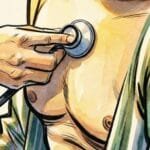
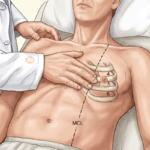
Then comes an important check. The tip must be in the stomach, not in the windpipe. The doctor or nurse makes sure of this. Usually they draw back a little fluid from the stomach and test it, or listen with a stethoscope. If there is any doubt, an X-ray settles it.
And the pain? While the tube goes in, the nose may sting a little, the throat may gag, and the eyes may water. All of this is normal. Once the tube reaches the stomach, most patients settle within a few minutes and hardly notice it.
Common Myths, and the Facts
With this tube, fear runs well ahead of understanding. Here are a few of the doubts I hear most often.
Myth: “Once this pipe goes in, will they never eat by mouth again?”
Fact: No. As the patient gets better and can swallow on their own, the tube comes out, often within a few days.
Myth: “It damages the nose and throat for good.”
Fact: With proper care, it does no harm. These tubes are soft.
Myth: “As long as the tube is in, the patient has to stay in hospital.”
Fact: Not true. Once the patient is recovering, they can go home with the tube in place. Feeding through it at home, and looking after it, is easy to learn.
Looking After the Tube
- After every feed or dose of medicine, flush the tube with a little clean water, so that it doesn’t block.
- If the tube is needed for a long time, it has to be changed now and then. This is usually about once a month, depending on the kind of tube. Your doctor or nurse will tell you when.
What Can You Do?
If you see this tube in the nose of someone you love, don’t panic. Ask the doctor or the nurse what it is there for: to feed, or to empty the stomach.
And keep an eye on the patient’s hands. A drowsy patient can pull the tube out without meaning to.
A Last Word
A feeding tube is like a walking stick in the hand of a patient who is struggling with illness.
It is not a sign that death is near. It is not a punishment. And it is not for ever.
When a patient cannot eat in the usual way, it brings them the food and medicines they need. It holds them up until they are well again.
So the next time you see this tube, don’t be afraid. Think of the work it is quietly doing, and breathe easy.


Leave a Reply