







Have you ever noticed a bitter taste in your mouth when you’re sick? This is a common experience, known as dysgeusia, that occurs in various illnesses. It often shows up as patients start to recover and can be a significant source of discomfort.
What Causes This Bitter Taste?
The Role of Cytokines in Illness
During infections or certain inflammatory conditions, our body produces specific chemicals called cytokines. These substances are crucial in fighting off the disease. Cytokines are proteins that facilitate communication between immune cells. They play a vital role in starting, maintaining, and eventually ending the immune response against an infection. One such cytokine is Tumour Necrosis Factor α (TNF-α), produced by various cells in the body. Apart from TNF-α, other cytokines like Interleukins, Interferons, and Chemokines also play significant roles.
Understanding the Bitter Taste
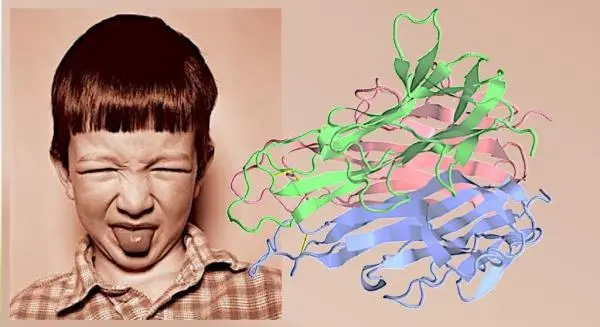
Interestingly, it’s TNF-α, secreted by our own cells, that leads to the bitter taste in our mouth. This phenomenon is not directly caused by the infection, medication, or the food we consume. The altered taste perception, or dysgeusia, can occur in two ways:
- TNF-α stimulates taste buds to produce a bitter sensation, overshadowing other tastes.
- It affects brain cells, leading to the perception of all tastes as bitter.
During certain infections, it’s also common to observe an elevated Erythrocyte Sedimentation Rate (ESR).
TNF-α and Its Impacts
TNF-α is a powerful cytokine that triggers inflammation in response to infections or other triggers. However, in autoimmune conditions like rheumatoid arthritis, this inflammation mistakenly targets our own cells, leading to various dysfunctions. When TNF-α is excessively secreted without serving a defensive purpose, it can be harmful.
To counteract this, we use TNF-α antagonists, such as monoclonal antibodies (e.g., infliximab, adalimumab) and circulating receptor fusion proteins (e.g., etanercept). These drugs neutralize TNF-α but are not typically used solely for treating dysgeusia.
Nutritional and Psychological Aspects
Dysgeusia can also impact nutrition and mental health. A distorted sense of taste can lead to decreased appetite and poor nutrition, potentially exacerbating the patient’s condition. Addressing dysgeusia is thus vital for overall recovery and well-being.
Psychologically, persistent altered taste can lead to anxiety or distress, particularly if the cause is not understood by the patient. Providing clear information and reassurance is key in managing these concerns.
Practical Advice for Managing Dysgeusia
If a bitter taste develops after an illness, the best approach is often to wait it out:
- As the illness improves, so should the taste distortion.
- Practicing good oral hygiene can aid in mitigating the symptom.
- While medications for dysgeusia are rarely necessary, consulting a doctor for persistent or severe cases is advisable.
In conclusion, understanding and managing dysgeusia effectively is an integral part of the recovery process from various illnesses. This bitterness is not due to medications, but due to the cytokines released in our body due to infection. Being aware of its causes and potential impacts on both physical and mental health is important for patients and caregivers alike.
You may interested in learning about yawning; please do check out the health dialogues too.
The author has originally published a basic version of this article on Quora.




Leave a Reply